10 Common Mistakes Artists Make in Their Portfolios (And How to Fix Them)
Why Your Portfolio Might Be Holding You Back
A weak portfolio doesn't just fail to impress — it actively costs you opportunities. Art directors, gallery curators, and clients make snap judgments within seconds of landing on your work. If your portfolio doesn't communicate clearly, cohesively, and confidently, they move on.
The frustrating part? Most portfolio problems are fixable. They're not about talent. They're about curation, presentation, and strategy — things every artist can learn and improve. This guide walks through the 10 most common mistakes and gives you a concrete action for each one.
Mistake #1–3: Problems with Curation and Content Selection
The most damaging portfolio mistakes happen before anyone even looks at individual pieces — they happen in what you choose to include and how you define your focus.
Mistake #1: Overcrowding the Portfolio
More work does not mean more impressive. A portfolio crammed with 40 pieces forces the viewer to do the work of finding your best stuff — and most won't bother. Portfolio curation is an editorial act. Every piece you include either raises the average or lowers it.
The fix: ruthlessly cut anything that isn't genuinely strong. For most working artists, 12–20 carefully selected pieces outperform a sprawling archive every time. Lead with your three best works, full stop.
Mistake #2: Including Outdated or Weak Work
Keeping old student projects or early experiments in your portfolio because you're attached to them is understandable — but it signals to clients that you can't distinguish your strong work from your weak work. That's a credibility problem.
Ask yourself honestly: if a potential client hired you based on this piece, would you be proud to deliver that level of work today? If the answer is no, remove it. Your portfolio should represent where you are now, not where you started.
Mistake #3: Lacking a Clear Niche or Specialization
A portfolio that shows everything — portraits, landscapes, typography, product illustration, abstract painting — tells a potential client nothing about what you actually do. Niche or specialization isn't about limiting yourself; it's about being legible to the people who want to hire you.
If you genuinely work across multiple disciplines, consider separate portfolio sections or even separate portfolios for different audiences. A gallery curator and a brand art director are looking for completely different things.
Mistake #4–6: Poor Presentation and Visual Consistency
Even exceptional work can be undermined by sloppy presentation. How your portfolio looks as a whole communicates as much as the individual pieces inside it.
Mistake #4: Low-Quality Images
Image quality is non-negotiable. Blurry photos, bad lighting, distracting backgrounds, or heavily compressed files tell the viewer you don't take your own work seriously. For physical work, invest time in proper photography — natural light or a basic lightbox setup makes a significant difference. For digital work, export at full resolution and check how files render on different screens.
One well-photographed piece beats three mediocre scans. Always.
Mistake #5: Inconsistent Formatting and Visual Style
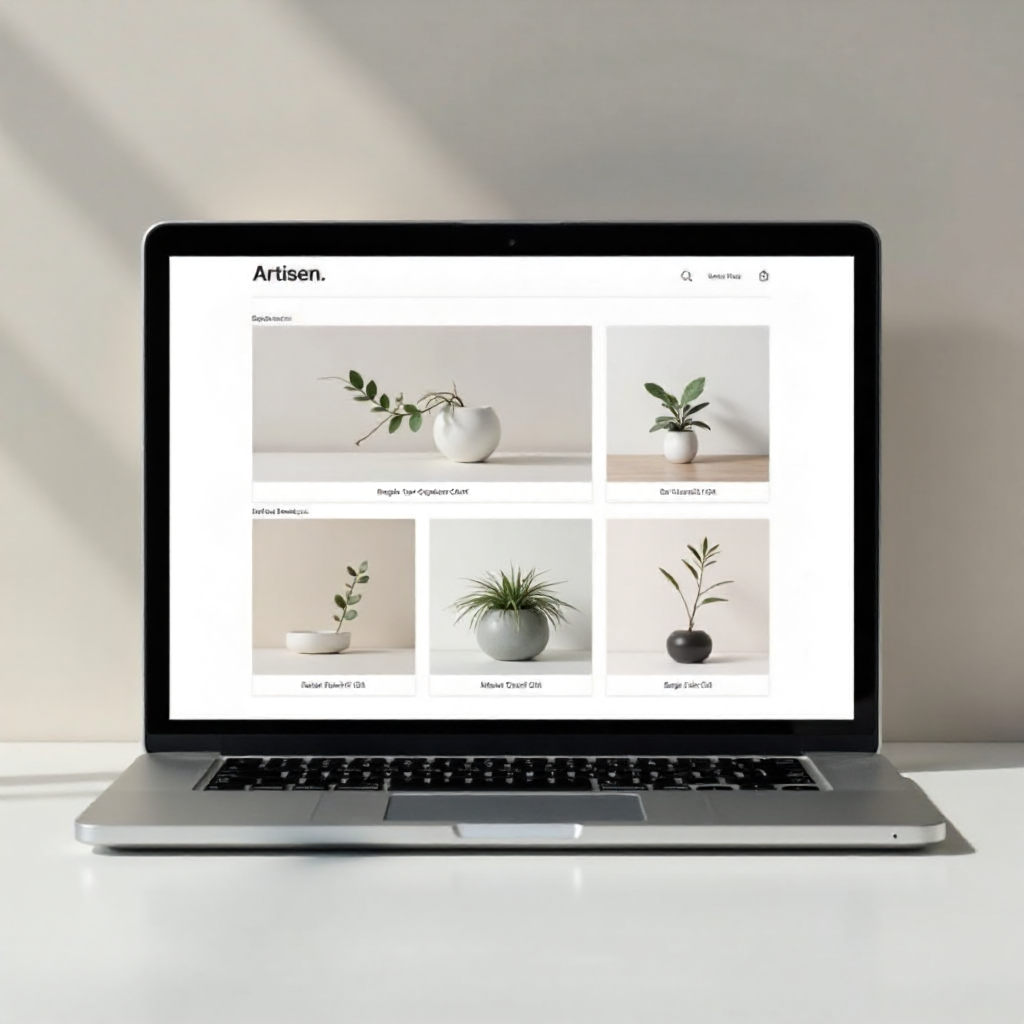
Visual consistency across your portfolio creates a sense of intentionality and personal branding. When image sizes vary wildly, backgrounds clash, or the layout shifts from page to page, the portfolio feels unfinished — even if the individual works are strong.
Standardize your presentation: consistent image dimensions, a neutral or intentional background color, and a coherent typographic approach. This doesn't mean every piece needs to look the same — it means the container holding your work should feel deliberate.
Mistake #6: Missing Context — No Process Work or Project Descriptions
Showing only finished pieces leaves potential clients guessing about how you think and work. Process work — sketches, iterations, development shots — and concise project descriptions transform a gallery into a case study. They demonstrate your creative thinking, not just your output.
For each project, consider adding two or three sentences: what the brief or intention was, the key decisions you made, and the outcome. This is especially valuable when pitching to art directors or commercial clients who need to know you can solve problems, not just make beautiful things.
Mistake #7–8: A Weak or Missing Artist Statement and Bio
A vague or absent artist statement is one of the most common — and most damaging — portfolio mistakes. It leaves viewers without a framework for understanding your work.
Mistake #7: The Generic Artist Statement
"I am a passionate artist who loves to explore the human condition through color and form" tells no one anything useful. Generic statements feel like placeholders, and experienced curators and clients read them as a signal that the artist hasn't done the reflective work of understanding their own practice.
A strong artist statement is specific. It names your medium, your subject matter or conceptual territory, and why it matters to you — in plain language. Aim for 100–200 words that a non-specialist could read and immediately understand what you make and why.
Mistake #8: No Bio or an Outdated One
Your bio is a credibility signal. It tells people who you are, what you've done, and why they should pay attention. An absent bio creates a trust gap; an outdated one suggests you've stopped investing in your career.
Keep your bio current — exhibitions, commissions, residencies, publications — and write it in third person for professional contexts, first person for more personal or direct-to-client situations. One paragraph is usually enough.
Mistake #9–10: No Clear Audience Focus or Call to Action
A portfolio without a defined target audience and a clear next step is like a shop with no door. People can admire the window display but can't get inside.
Mistake #9: Failing to Tailor the Portfolio to a Specific Audience
The work you show a gallery director should not be identical to the portfolio you send a children's book publisher or a brand agency. Each audience has different priorities, different vocabularies, and different definitions of "good."
Before sending or sharing your portfolio, ask: who is this for, and what do they need to see to say yes? Then curate and frame accordingly. This might mean maintaining two or three versions of your portfolio — one for each core context you operate in.
Mistake #10: No Call to Action
Artists frequently forget that a portfolio is a conversion tool, not just a showcase. If someone loves your work and wants to hire you, what do they do next? If the answer isn't immediately obvious, you're losing potential clients at the finish line.
Every portfolio — digital or physical — needs a clear call to action: a contact form, an email address, a booking link, or at minimum a prompt to get in touch. Make it easy. Make it visible. Don't bury it at the bottom of an "About" page no one reads.
How to Audit and Fix Your Portfolio Right Now
A practical self-review takes less than an hour and can surface problems you've been too close to see. Work through this checklist:
- Cut first: Remove anything you wouldn't be proud to have a client hire you based on. If you're unsure, it probably goes.
- Check image quality: Open every piece at full size on a good monitor. Would you be embarrassed to show this to a professional?
- Test visual consistency: View your portfolio as a whole — do the pieces feel like they belong together? Does the layout feel intentional?
- Read your artist statement aloud: If it sounds vague or like it could describe any artist, rewrite it with specifics.
- Add context to at least three pieces: Write a short description for your strongest projects. Include the brief, your decisions, and the result.
- Identify your audience: Who is this portfolio actually for? Is everything in it relevant to that person?
- Confirm your CTA: Can someone contact you within two clicks? Is your email or contact method clearly visible?
- Get outside eyes: Ask one person outside your immediate circle to look at your portfolio cold and tell you what they think you do. Their answer will tell you everything.
This kind of honest self-audit is uncomfortable. Do it anyway. The gap between what you think your portfolio communicates and what it actually communicates is often wider than artists expect.
FAQ: Artist Portfolio Basics
What should an artist portfolio include?
A strong artist portfolio includes your best 12–20 pieces, an artist statement, a short bio, project descriptions or context for key works, and clear contact information. For commercial work, process documentation and case studies add significant value.
How many pieces should be in an artist portfolio?
Quality over quantity, always. For most contexts, 12–20 well-curated pieces is the right range. Fewer is fine if every piece is genuinely strong. More than 25 pieces risks diluting the impact of your best work.
How often should I update my portfolio?
Review your portfolio every three to six months. Add new strong work, remove anything that no longer represents your current skill level, and update your bio and artist statement to reflect recent activity.
Do I need an artist statement in my portfolio?
Yes — especially for gallery submissions, grant applications, and any context where your work will be evaluated without you present to explain it. A clear, specific artist statement gives curators and clients a framework for understanding your practice.
What's the difference between a portfolio and a gallery?
A gallery is a passive display of work. A portfolio is a strategic, curated selection designed to communicate your abilities and attract a specific audience. The distinction matters: a portfolio is always in service of a goal, whether that's landing clients, gallery representation, or employment.
Your portfolio is never really finished — and that's actually a good thing. Treat it as a living document that evolves alongside your practice. Every time you make something you're proud of, ask whether it belongs in your portfolio. Every time you land an opportunity, ask what in your portfolio helped make that happen. The artists who get consistent work aren't always the most talented. They're often the ones who've taken the time to present their talent clearly.